Electronic Nose for Monitoring Lemon Ripening for Postharvest Applications
Development of a sensor-based device known as an electronic nose (eN), which responds to volatile organic compounds to detect ripeness and rapidly classify postharvest diseases. It can detect infected fruit during transport.
  |
TECHNOLOGY DESCRIPTION
The technology consists of a digital olfactory detection system designed to identify volatile organic compounds (VOCs). These compounds, which are naturally emitted by lemons during ripening or as a metabolic response to fungal infections, act as “fingerprints” that the device can recognise quickly and non-destructively.
System components:
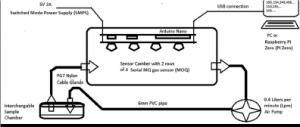
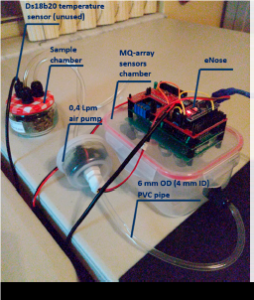
- Advanced hardware: The core of the system is an array of eight MQ sensors (designed for gases such as methane, alcohol, CO, etc.) managed by an Arduino NANO® microcontroller. The system uses individual glass chambers and a 0.4 L/min air pump to recirculate the gases towards the sensors.
- Temperature modulation: Unlike static sensors, this device applies sinusoidal voltage cycles (from 1.6 V to 5 V) to the sensor heaters. This generates dynamic responses that significantly increase the ability to discriminate between different odours.
- Analysis software: Includes a MATLAB interface for data acquisition, processing and classification using algorithms that compare the sample with reference patterns.
TECHNOLOGY APPLICATIONS
The electronic nose is a strategic asset for:
- Fruit and Vegetable Packing Facilities: Automating fruit sorting according to ripeness for different markets (domestic versus export).
- Logistics and Transport Companies: Monitoring cargo in shipping containers to detect the early stages of rotting.
- Agricultural Analysis Laboratories: A rapid screening tool before proceeding to more costly chemical analyses.
ADVANTAGES AND INNOVATIVE ASPECTS
- Technological advantages (rapid, immediate diagnosis) and economic advantages (the cost of the technology developed is lower than that of competing technologies) for companies and organisations in the agri-food sector. We have a research group with a proven scientific track record and established know-how.
- Combined offering of customised software technologies. Most comparable companies offer more generic technologies.
- Proximity to the customer. Being close to potential customers (in the southern Valencian Community, the Region of Murcia and south-eastern Castilla-La Mancha) enables us to address the problems they encounter more efficiently.
DEVELOPMENT STAGE
TRL 5–6 (validation in a relevant environment). The prototype is already functional and ready to be tested in real postharvest and transport environments. The offer includes not only the hardware but also a comprehensive calibration service (8–12 months), data management and spectrometry support to validate the results.
APPLICATION SECTORS
- Agri-food Industry (Citrus Postharvest Handling).
- Cold-chain Logistics and Transport of Perishable Goods.
- Food Safety and Quality Control.
PRINCIPAL RESEARCHER
Antonio Ruiz Canales – University Institute for Research and Innovation in Agri-food and Environmental Sciences (CIAGRO)