Obtaining New Citrus Varieties with a High Anthocyanin Profile and Other Bioactive Compounds
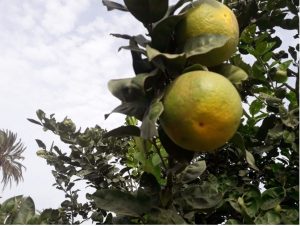
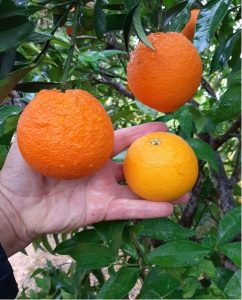
Obtaining and registering exclusive citrus varieties with a high anthocyanin content (Ruby gene), higher yields and resistance to extreme water conditions.
 |
 |
TECHNOLOGY DESCRIPTION
There are a large number of unprofitable citrus varieties on the market due to low yields or their low price because their characteristics do not meet market demand. The nursery sector is calling for new varieties that meet the needs of producers and end consumers. By introducing new exclusive citrus varieties to the market, exclusive control can be gained over production licences for citrus varieties, particularly blood grapefruits.
TECHNOLOGY APPLICATIONS
For several years, conventional genetic improvement work has been carried out in citrus, including hybridisation, selection of spontaneous mutations, irradiation, etc., resulting in new high-quality selections that could be eligible for varietal registration and the corresponding protection. In the case of hybridisation, an existing variety collection was used as a source of parent plants.
Based on this work carried out on lemons, grapefruit, mandarins, clementines and oranges, the suitability of initiating the registration of a new lemon variety was established. This variety improves upon the characteristics of those currently available on the market. It also significantly increases yield per hectare according to preliminary trials.
This variety, named “SILK ROAD”, is currently undergoing registration under an agreement with the Ministry of Agriculture.
Genetic improvement work through hybridisation has resulted in new grapefruit varieties with the confirmed presence of the Ruby gene, which have a high anthocyanin content. This represents a new and unique line of blood grapefruits worldwide, with extraordinary health-promoting properties and, according to previous research, lower levels of harmful furanocoumarins, resulting in improved quality of the new citrus varieties. More than one hundred such selections are available and could be registered during the first few years.
At the same time, more than 50 new mandarin hybrids with a high anthocyanin profile are available, and work has also been carried out on a new blood lemon variety.
An interesting, high-quality and highly productive Valencia Late-type orange has also been selected.
Finally, new varieties with greater resistance to lower-quality water (higher salinity, higher boron content, etc.) are being tested. This will have environmental benefits by making it possible to use the water resources available in the region.
ADVANTAGES AND INNOVATIVE ASPECTS
- Improved colour due to genetic modulation of the Ruby gene, responsible for anthocyanin red colouration
- Health-promoting properties: high anthocyanin profile and other bioactive compounds, particularly in blood grapefruits.
- Improved nutritional value.
- The availability of new varieties resistant to poor-quality water will provide environmental benefits by making it possible to use locally available water, which is often of lower quality
- This will also make it possible to reduce the use of certain nutrients and plant protection products, resulting in lower costs.
- Due to the exclusivity of the product, nurseries and producers will be able to increase sales, gain market share and improve their results.
DEVELOPMENT STAGE
The “SILK ROAD” lemon variety is undergoing official registration under an agreement with the Ministry of Agriculture. More than one hundred grapefruit selections and 50 mandarin selections are available and ready to enter varietal protection and exclusive commercialisation processes.
APPLICATION SECTORS
- Citrus nurseries at national and international level.
- Fresh fruit production and export companies.
- Agri-Food Industry (particularly the functional foods segment).
- Agricultural Biotechnology Companies interested in germplasm development.
PRINCIPAL INVESTIGATOR
José Manuel Brotons Martínez – Department of Economic and Financial Studies